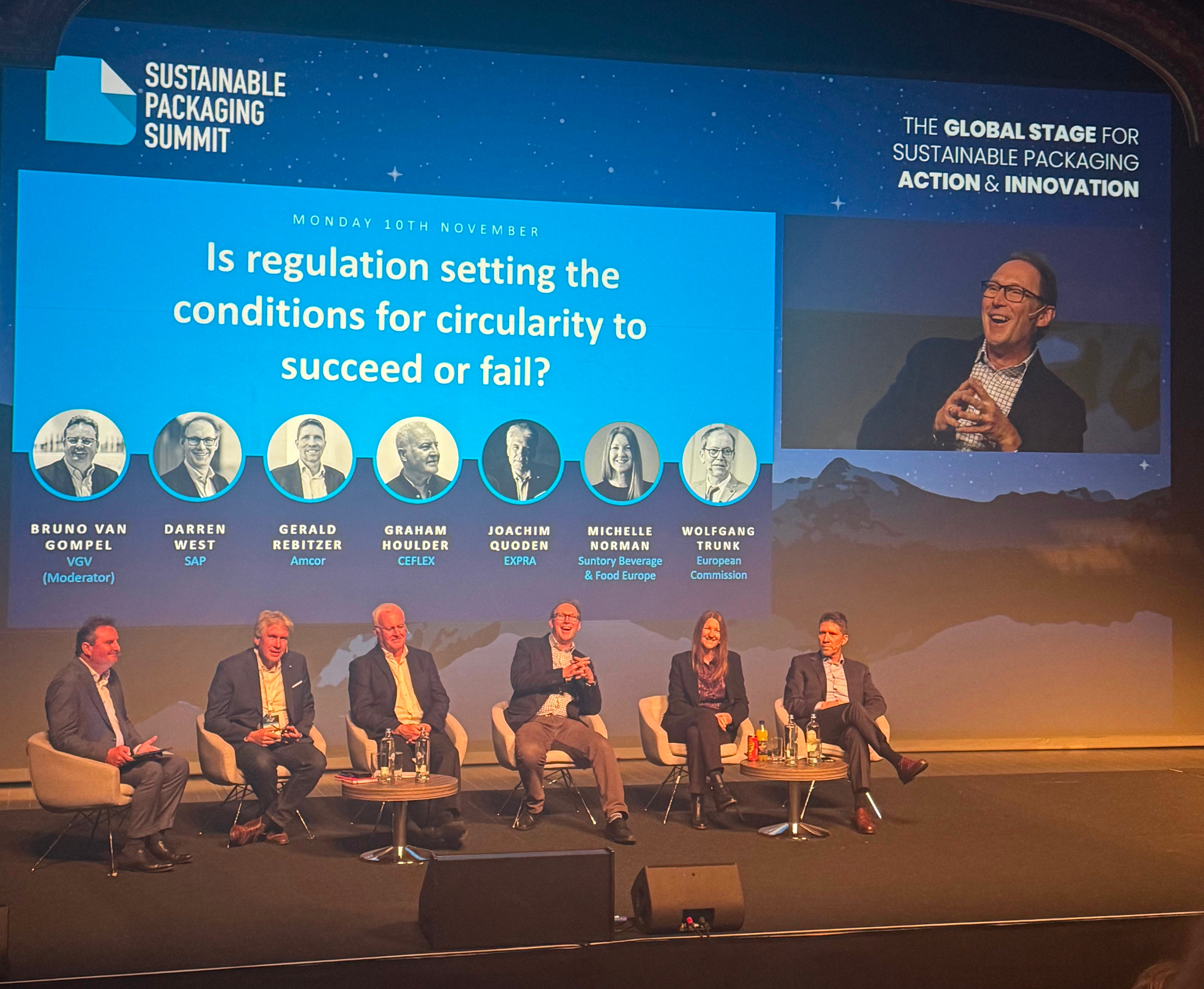
Last week I joined the Sustainable Packaging Summit in Utrecht. Sounds lofty, right? I was there to learn about upcoming European regulations (it was a Euro-focused crowd), connect with innovators and get a finger on the pulse of sustainable packaging. Basically, it felt like a chance to nerd out on policy and trends and see what the big names in industry were talking about. And what everyone was talking about was PPWR.
PPWR. Pee pee double you are. Spoken so many times over two days I never wanted to hear those six syllables again. And yet, the regulation it stands for - the Packaging and Packaging Waste Regulation - was heralded by all at the conference as the saving grace of Europe’s plastic pollution crisis. It was “the most ambitious piece of packaging legislation ever introduced” and it was going to leap Europe forward towards the circular economy and fix the messes of previous legislation and harmonize standards and catalyze innovation and save the world.
As someone who has been following the promise and demise of the UN Plastics Treaty (more here), I was a little skeptical. Especially because when big multi-national corporations are fans of legislation, I’m suspicious. What candy company would want their massive amounts of plastic packaging covered by strict regulation?!
So as the conference progressed and PPWR was brought up again and again, by advocacy groups and big business alike, I decided to dive in. As my role supporting the Innovation Alliance for A Global Plastics Treaty (and building on my PhD research into sustainable plastic entrepreneurs), I also wanted to understand what this big piece of legislation could mean for the startups and small businesses also in the industry.
Keeping all that in mind, here’s my take on PPWR.
Europe (and the world’s) plastic crisis
Europe is undoubtedly the front-runner when it comes to plastic regulations and solutions, unfortunately, that’s not saying much.
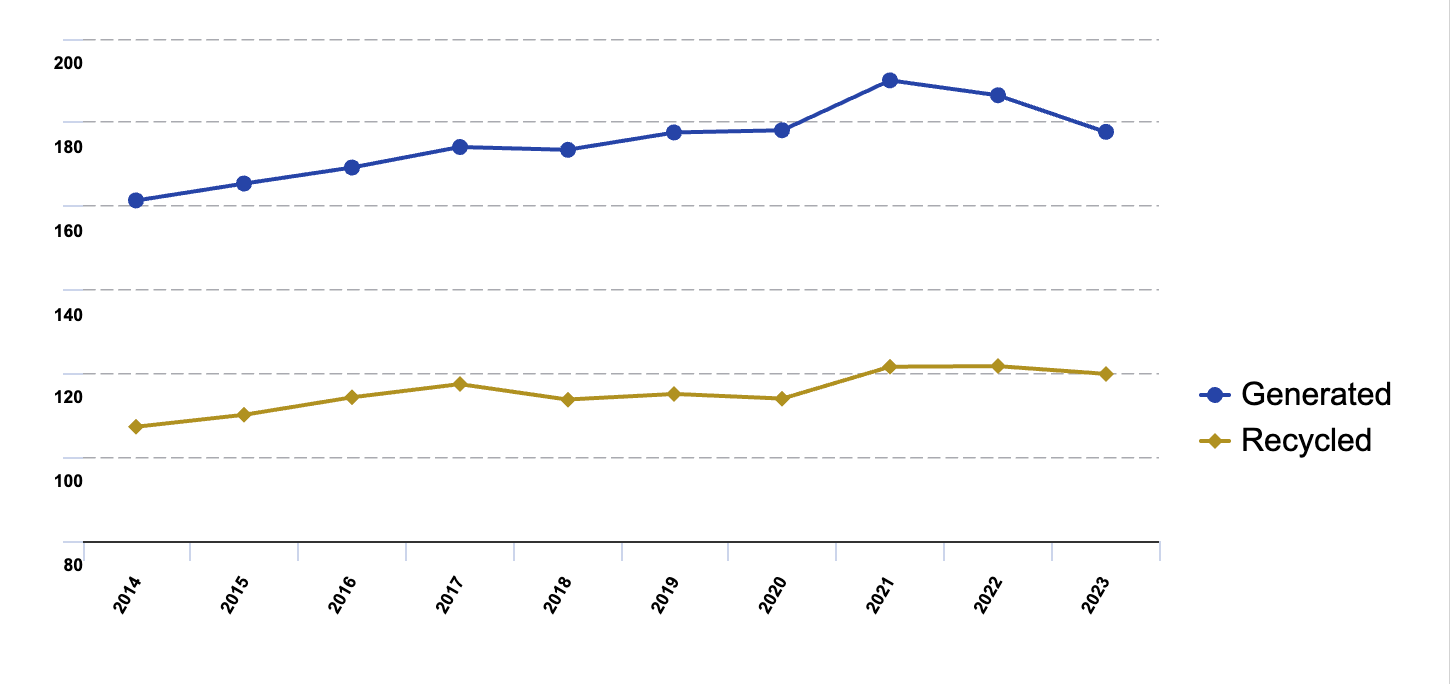
Although many European countries have excellent infrastructure and limited pollution by global standards, there is still a gap between what we as Europeans think (and hope) happens to our diligently separated waste and the reality of the situation. We have rising packaging waste generation per capita while recycling rates have plateaued. We still export much of our waste and rely on incineration for a large portion of the rest. Our waste situation is not great. Enter: regulation.
Policy fixes and policy misses
Europe has tried to tackle this plastic problem through a bunch of different policies. Some more effective than others. Here’s how we got here:
Note: in the EU a directive is a law that is left to each Member State to ‘transpose’ (aka translate) into their own national regulation. A regulation is unilaterally applied across all Member States.
1994 - Packaging and Packaging Waste Directive (PPWD)
Europe’s first attempt to manage packaging waste, which was already becoming a problem. The PPWD set broad targets, but left Member States free to design their own systems.
2000s - Rise of national EPR
Following the PPWD, Member States developed their own extended producer responsibility (EPR) schemes to manage waste, but each country created its own system with different fee structures, material categories, reporting formats, and design guidelines
2008 - 2018 - Slow tightening of recycling targets
PPWD amendments increased recycling goals, but still didn’t tackle design standards or provide uniform definitions for key terms such as “recyclable,” “compostable,” or “recovered.” This leaves Member States to define for themselves, creating confusion and loopholes.
2019 - Single-Use Plastics Directive (SUPD)
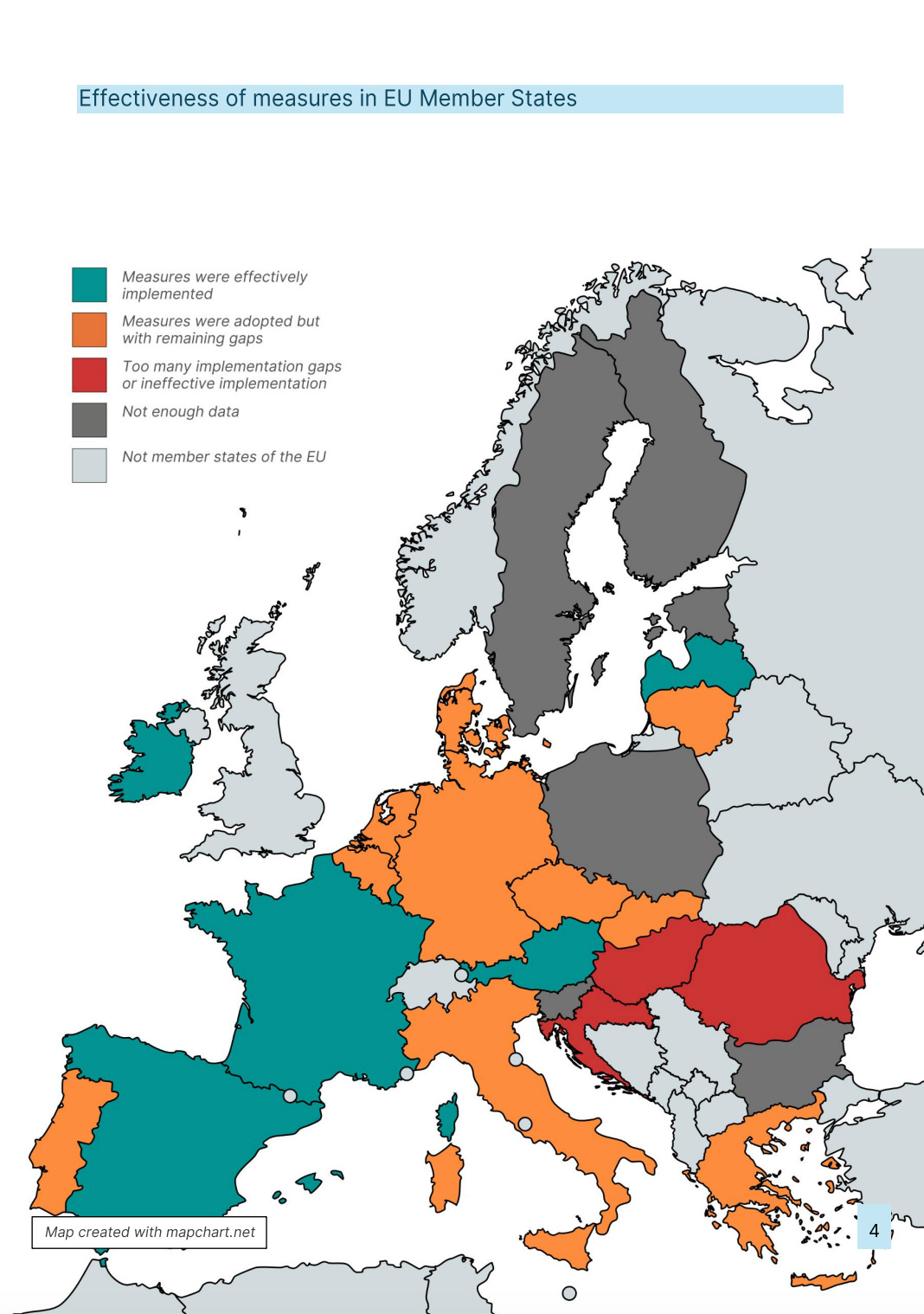
A big political win and one of my favorite pieces of legislation: monitoring of the most littered items found on European beaches directly fed into the design of this law. Epic example of science influencing policy… but alas, implementation varies widely. Member States have different interpretations, levels of enforcement and stringency.
2020-2023 - Ecomodulation & further divergence
Countries introduced eco-modulation, which is supposed to reward ‘more sustainable’ products and packaging and penalize ‘less sustainable’. The goal is to incentivize sustainable design but again, each country takes their own pathway to do so.
2023-2024 - Corporate voluntary commitments stall
Recycling targets and reuse pledges from major brands are missed or delayed. Reports show rising packaging waste despite years of commitments, reinforcing that voluntary action alone isn’t closing the gap. The United Nations Plastics Treaty negotiations begin and stall.
2024-2025 - Packaging and Packaging Waste Regulation (PPWR)
The EU moves to replace a 30-year-old directive with an enforceable regulation. This will be a single rulebook meant to solve the fragmentation that defined the last three decades and lead to genuine progress.
The promise of PPWR
What is so exciting (and clearly why so many big brands and companies are behind PPWR) is the promise of all-mighty harmonization. This regulation sets one set of targets and standards across all Member States. The targets are clearly outlined and there was a promise by European Commission representatives at the event that these targets would not change. Interestingly enough, changing rules is more of a fear than ambitious targets for business. As industry reps said over and over again at the conference, the best thing for business is certainty. If they know which targets they have to meet and by when, they will make it happen. They’ll pressure their suppliers and partners to make changes, they’ll invest in R&D and new machinery. They’ll finally scale up reuse. They will because they must. PPWR is clear: if you don’t meet the requirements, you cannot put your product on the market.
The carrots of voluntary commitments did not lead to significant changes, and now with PPWR, the EU is wielding quite a big stick.
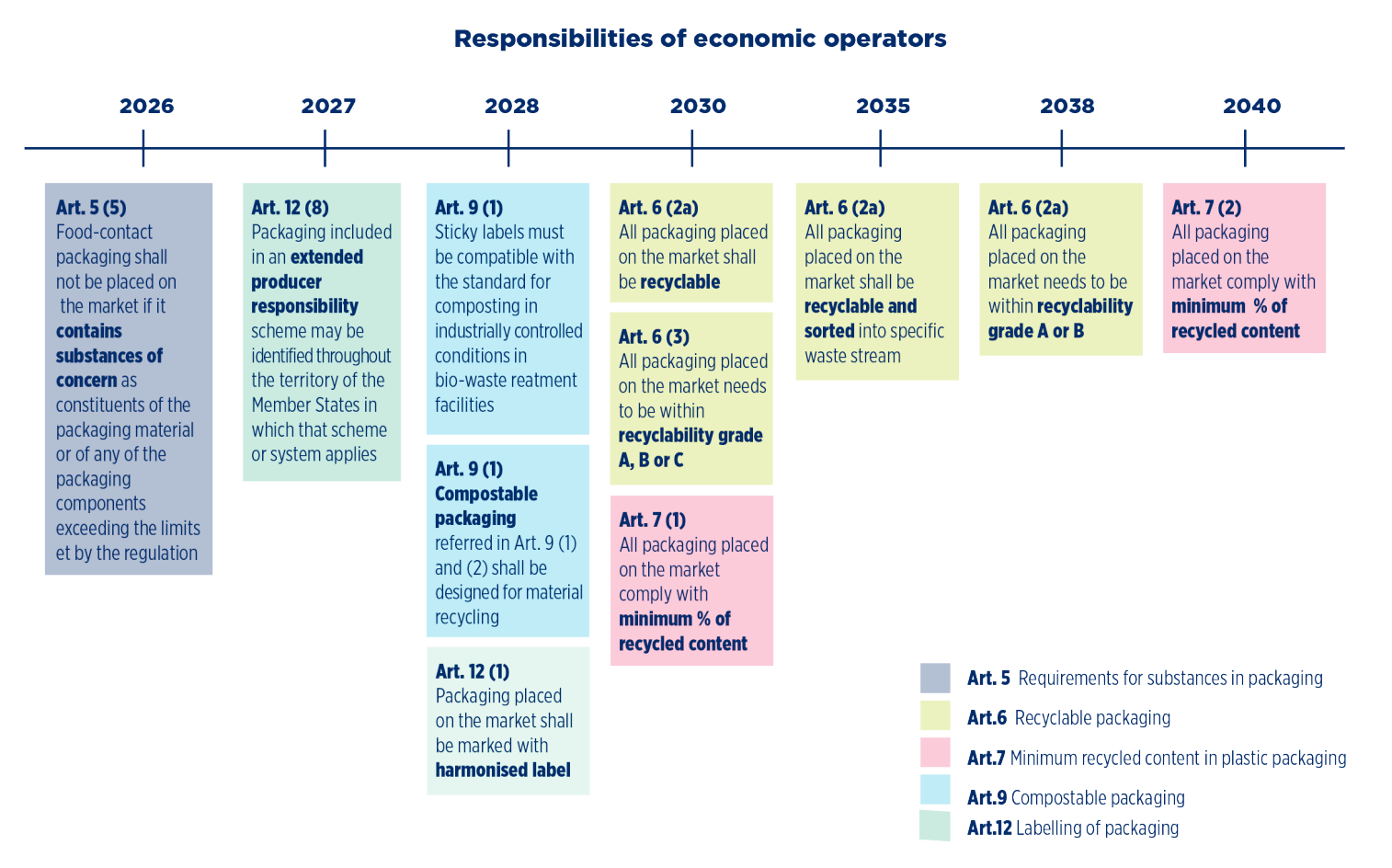
So what’s in the PPWR? There are targets on:
Minimum requirements for recyclability
Limits on empty space and overpackaging
Standardizing EPR fees and reporting
Recycled content targets
Reuse requirements
Banning harmful substances (bye bye, PFAS!)
This is an ambitious scope, and it’s promising precisely because it’s comprehensive. Although bureaucracy moves slowly, this is decades in the making, badly needed and could meaningfully change our plastic management system.
Time and time again when doing my PhD research into startups building companies to tackle plastic pollution, the entrepreneurs told me the same thing: they need regulation to make their business case work and to scale. And PPWR is an opportunity to make the business case for better plastic use and management, from small companies to major corporations.
What now?
Next year will be a big, messy, complicated and important year. Manufacturing companies will be required to begin submitting information about their PPWR compliance by August of 2026, and in the meantime many questions remain. PPWR promises harmonized definitions, but many of these have not yet been defined. This means business and governments are trying to align, gather data and report without fully knowing the playing field. I’m assuming this will mean delays, frustrations and a huge administrative headache. But just because transitions are hard, doesn’t mean they aren’t worth it.
Will PPWR strangle or sustain startups?
Regulation is also going to be challenging for startups. I spoke with one mycelium packaging innovator at the summit who was panicking about PPWR: it was incredibly unclear if their biological packaging would be incentivized or penalized by the system. To them, PPWR could truly make or break their business case, but since definitions and standards have not yet been released yet, they still don’t know which it will be.
For me, this shows that there remains a huge gap in the SME-policy interface. We know that corporations engage in lobbying and have the resources to both shape and track policy developments. The science-policy interface is fed by academia and EU programs that bring researchers and policy makers together. Most scientific funding includes some element of advocacy and policy engagement. But what about the startup/SME-policy interface?
Although SMEs employ 65% of the workforce in the EU, their options in engaging with policy makers is tragically dismal. This was a main finding of my PhD research (political engagement is important but under-resourced for startups) and a reason I’m so excited to work with the Innovation Alliance for a Global Plastics Treaty. As great as the PPWR seems, it could be a regulation that ends up strangling startups: drowning entrepreneurs in administrative burdens and implementing bans that unintentionally undermine innovation. And that would be a huge loss.
So I’m looking ahead, cautiously optimistic, and watching carefully how this plays out for entrepreneurs. 2026 will be a big year, and if we get even half of PPWR effectively implemented, this will be great strides towards managing plastic pollution. Plus, I think PPWR can be an example of the benefits of regional alignment that will only make the case for the UN Plastics Treaty more solid.
I’m curious what you think after reading this deep dive - do you feel PPWR will be a policy win or a policy miss?
P.S If you think someone from your team or within the plastic / sustainability world may find this useful - please forward this newsletter on!
P.P.S I studied abroad in Utrecht during my 3rd year of university. The experience led me to choose the Netherlands for my Master’s and eventually my PhD, and its where I’m now building my career. Quite a full circle to be back in this city all these years later at a leading industry conference.